
Opening Hours
Mon - Fri: 8.00 to 16.00
Talk with us: 1800 467 692​

What are you looking for?

February 27, 2026

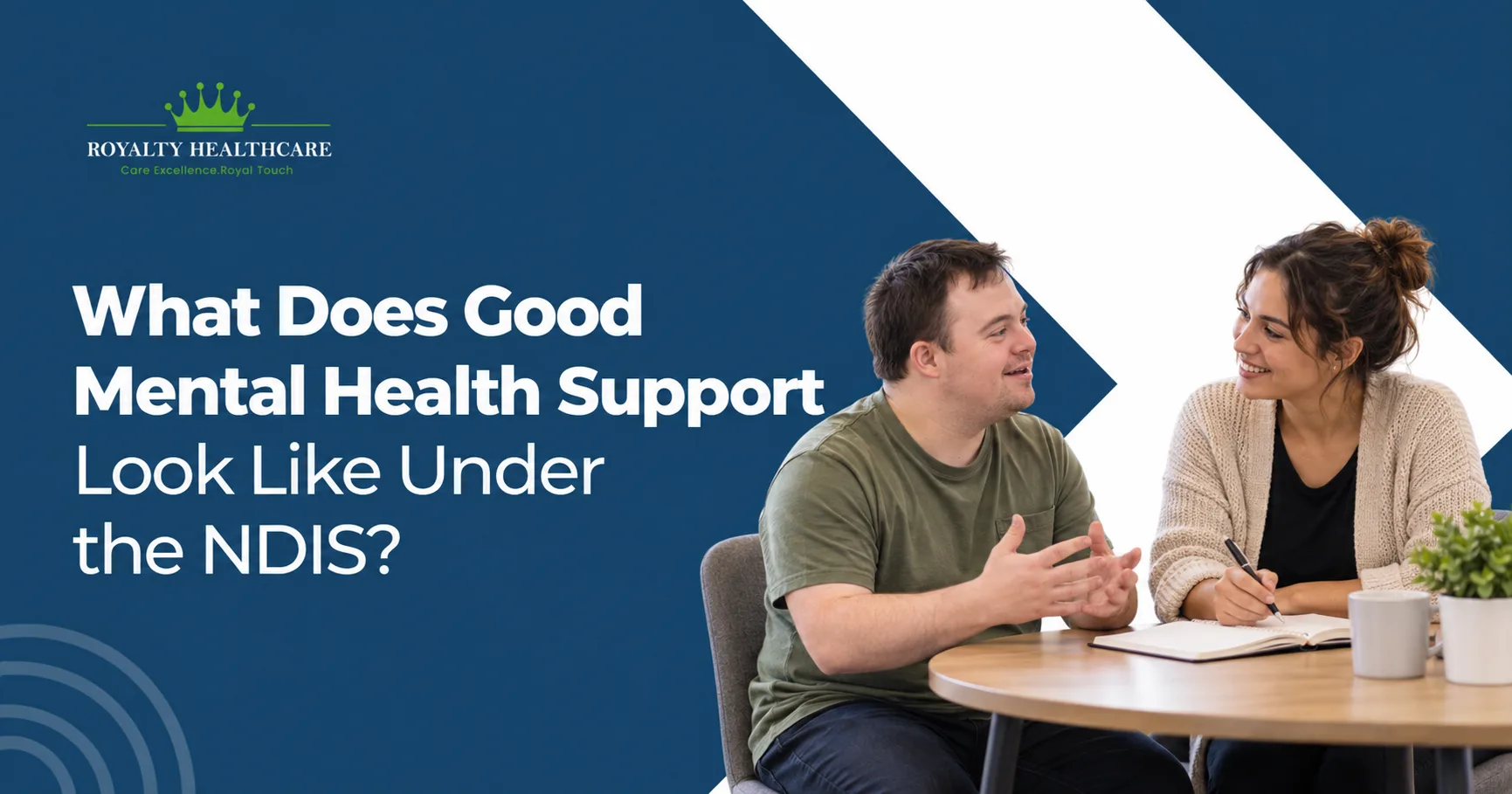
NDIS Mental Health Plan Guide: What Funding Covers and How to Use It

Mental health challenges can affect every part of daily life sleep, motivation, focus, relationships, work, routines, and confidence. For some people, the impacts are ongoing and significant enough that they create a psychosocial disability. That’s where the NDIS may be able to help. 

This guide is designed to help you understand NDIS mental health support in a practical, grounded way what funding can cover, how eligibility works, and how to use your plan so it actually supports your life 

Mental health and the NDIS (psychosocial disability explained) 

The NDIS doesn’t fund “mental health treatment” in the same way the health system does. Instead, it funds disability-related supports when a mental health condition has a lasting impact on how you function day to day. The NDIS calls this psychosocial disability. A useful starting point is the official NDIS overview of psychosocial disability, which outlines how mental health can be considered under the scheme: NDIS overview of psychosocial disability. 

What psychosocial disability can look like in daily life 

Psychosocial disability isn’t defined by having a diagnosis alone it’s defined by how the condition impacts your functioning over time. This can include difficulties with: 

  • planning and organising tasks 
  • starting or completing routines (showering, meals, cleaning) 
  • attending appointments consistently 
  • communicating in social situations 
  • regulating emotions or responding to stress 
  • participating in community life 
  • sustaining work or study 

Many people experience fluctuating capacity some days are manageable, others feel impossible. The NDIS often considers what support looks like across time, especially on “hard days,” not only when you’re doing okay. 

Mental health NDIS eligibility what the NDIS typically looks for 

People often search mental health NDIS eligibility because it’s not always straightforward. In general, the NDIS considers whether: 

  1. your impairment is likely to be permanent, and 
  2. it substantially reduces your functional capacity, and 
  3. You are likely to need ongoing supports. 

A helpful resource is the NDIS psychosocial disability access factsheet, which explains evidence expectations and the types of functional impacts considered: NDIS psychosocial disability access factsheet. 

1. The difference between diagnosis and functional impact

A diagnosis (such as depression, anxiety, bipolar, PTSD, schizophrenia, or other conditions) may be part of the picture, but the NDIS focuses heavily on functional impact. That means: 

  • What tasks do you struggle to do reliably? 
  • What support do you need to stay safe and consistent? 
  • How does your condition affect your ability to live independently? 

2. Evidence that strengthens your access request 

Evidence is often strongest when it clearly connects your condition to day-to-day limitations. Examples include: 

  • clinician letters (GP, psychiatrist, psychologist) confirming history and likely permanence 
  • functional assessments (how your daily life is affected) 
  • reports showing supports you’ve tried and the outcomes 
  • documented risks and support needs (prompting, supervision, assistance) 
  • examples of barriers to work/study, relationships, and community participation 

Practical tip: ask health professionals to include real-life examples. A letter that only lists a diagnosis is usually weaker than one that explains functional impact. 

What does NDIS cover for mental health? 

One of the most searched questions is what does NDIS cover for mental health. The best way to understand it is this: 

The NDIS usually funds non-clinical supports that help you build capacity, maintain routines, improve independence, and participate in the community. Clinical care is generally funded by the health system, not the NDIS. 

To understand how mental health and NDIS funding overlap (and where they don’t), this is a clear government reference: NSW Health guidance on NDIS and mental health. 

Supports that may be funded (depending on goals and needs) 

Depending on your plan and what’s considered “reasonable and necessary,” funding may support: 

  • Support Coordination to help set up services and manage providers 
  • recovery-oriented supports (where included in the plan) 
  • daily living support (help with routines, meals, attending appointments) 
  • social and community participation supports 
  • life skills development (planning, budgeting, cooking, communication) 
  • behaviour support (where relevant and assessed) 
  • assistance building independence and confidence over time 

What funding usually doesn’t include 

The NDIS usually does not fund: 

  • hospital admissions or acute mental health services 
  • crisis response services 
  • medication costs 
  • services that are primarily “clinical treatment” rather than disability supports 

If you’re unsure whether a support is considered clinical or disability-related, a Support Coordinator can help interpret your plan and match supports properly. 

How NDIS mental health funding is commonly structured 
Mental health challenges can affect every part of daily life sleep, motivation, focus, relationships, work, routines, and confidence. For some people, the impacts are ongoing and significant enough that they create a psychosocial disability. That’s where the NDIS may be able to help. 

This guide is designed to help you understand NDIS mental health support in a practical, grounded way what funding can cover, how eligibility works, and how to use your plan so it actually supports your life 

Mental health and the NDIS (psychosocial disability explained) 

The NDIS doesn’t fund “mental health treatment” in the same way the health system does. Instead, it funds disability-related supports when a mental health condition has a lasting impact on how you function day to day. The NDIS calls this psychosocial disability. A useful starting point is the official NDIS overview of psychosocial disability, which outlines how mental health can be considered under the scheme: NDIS overview of psychosocial disability. 

What psychosocial disability can look like in daily life 

Psychosocial disability isn’t defined by having a diagnosis alone it’s defined by how the condition impacts your functioning over time. This can include difficulties with: 

planning and organising tasks 

starting or completing routines (showering, meals, cleaning) 

attending appointments consistently 

communicating in social situations 

regulating emotions or responding to stress 

participating in community life 

sustaining work or study 

Many people experience fluctuating capacity some days are manageable, others feel impossible. The NDIS often considers what support looks like across time, especially on “hard days,” not only when you’re doing okay. 

H2: Mental health NDIS eligibility what the NDIS typically looks for 

People often search mental health NDIS eligibility because it’s not always straightforward. In general, the NDIS considers whether: 

your impairment is likely to be permanent, and 

it substantially reduces your functional capacity, and 

you are likely to need ongoing supports. 

A helpful resource is the NDIS psychosocial disability access factsheet, which explains evidence expectations and the types of functional impacts considered: NDIS psychosocial disability access factsheet. 

A. The difference between diagnosis and functional impact 

A diagnosis (such as depression, anxiety, bipolar, PTSD, schizophrenia, or other conditions) may be part of the picture, but the NDIS focuses heavily on functional impact. That means: 

What tasks do you struggle to do reliably? 

What support do you need to stay safe and consistent? 

How does your condition affect your ability to live independently? 

Evidence that strengthens your access request 

Evidence is often strongest when it clearly connects your condition to day-to-day limitations. Examples include: 

clinician letters (GP, psychiatrist, psychologist) confirming history and likely permanence 

functional assessments (how your daily life is affected) 

reports showing supports you’ve tried and the outcomes 

documented risks and support needs (prompting, supervision, assistance) 

examples of barriers to work/study, relationships, and community participation 

Practical tip: ask health professionals to include real-life examples. A letter that only lists a diagnosis is usually weaker than one that explains functional impact. 

What does NDIS cover for mental health? 

One of the most searched questions is what does NDIS cover for mental health. The best way to understand it is this: 

The NDIS usually funds non-clinical supports that help you build capacity, maintain routines, improve independence, and participate in the community. Clinical care is generally funded by the health system, not the NDIS. 

To understand how mental health and NDIS funding overlap (and where they don’t), this is a clear government reference: NSW Health guidance on NDIS and mental health. 

Supports that may be funded (depending on goals and needs) 

Depending on your plan and what’s considered “reasonable and necessary,” funding may support: 

Support Coordination to help set up services and manage providers 

recovery-oriented supports (where included in the plan) 

daily living support (help with routines, meals, attending appointments) 

social and community participation supports 

life skills development (planning, budgeting, cooking, communication) 

behaviour support (where relevant and assessed) 

assistance building independence and confidence over time 

What funding usually doesn’t include 

The NDIS usually does not fund: 

hospital admissions or acute mental health services 

crisis response services 

medication costs 

services that are primarily “clinical treatment” rather than disability supports 

If you’re unsure whether a support is considered clinical or disability-related, a Support Coordinator can help interpret your plan and match supports properly. 

How NDIS mental health funding is commonly structured 


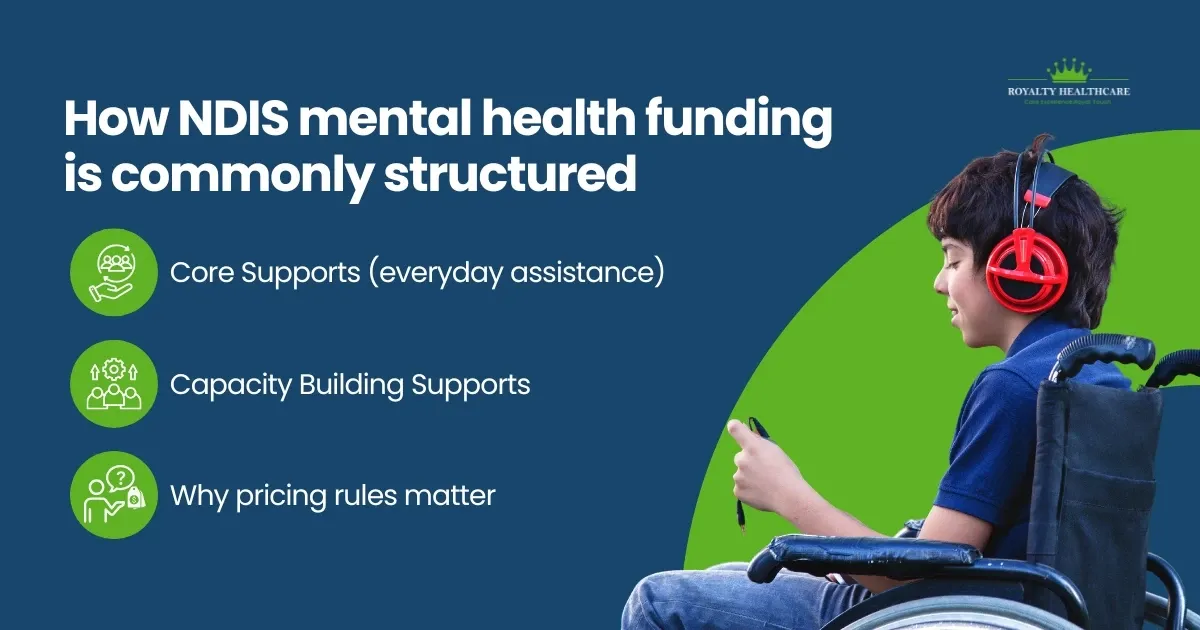
Your NDIS mental health funding may appear across different categories depending on your needs and the types of supports required. 

1.Core Supports (everyday assistance) 

Core funding often helps with day-to-day function and participation. This may include support workers to assist with routines and community engagement, depending on your plan and functional needs. 

2. Capacity Building Supports (skills + independence) 

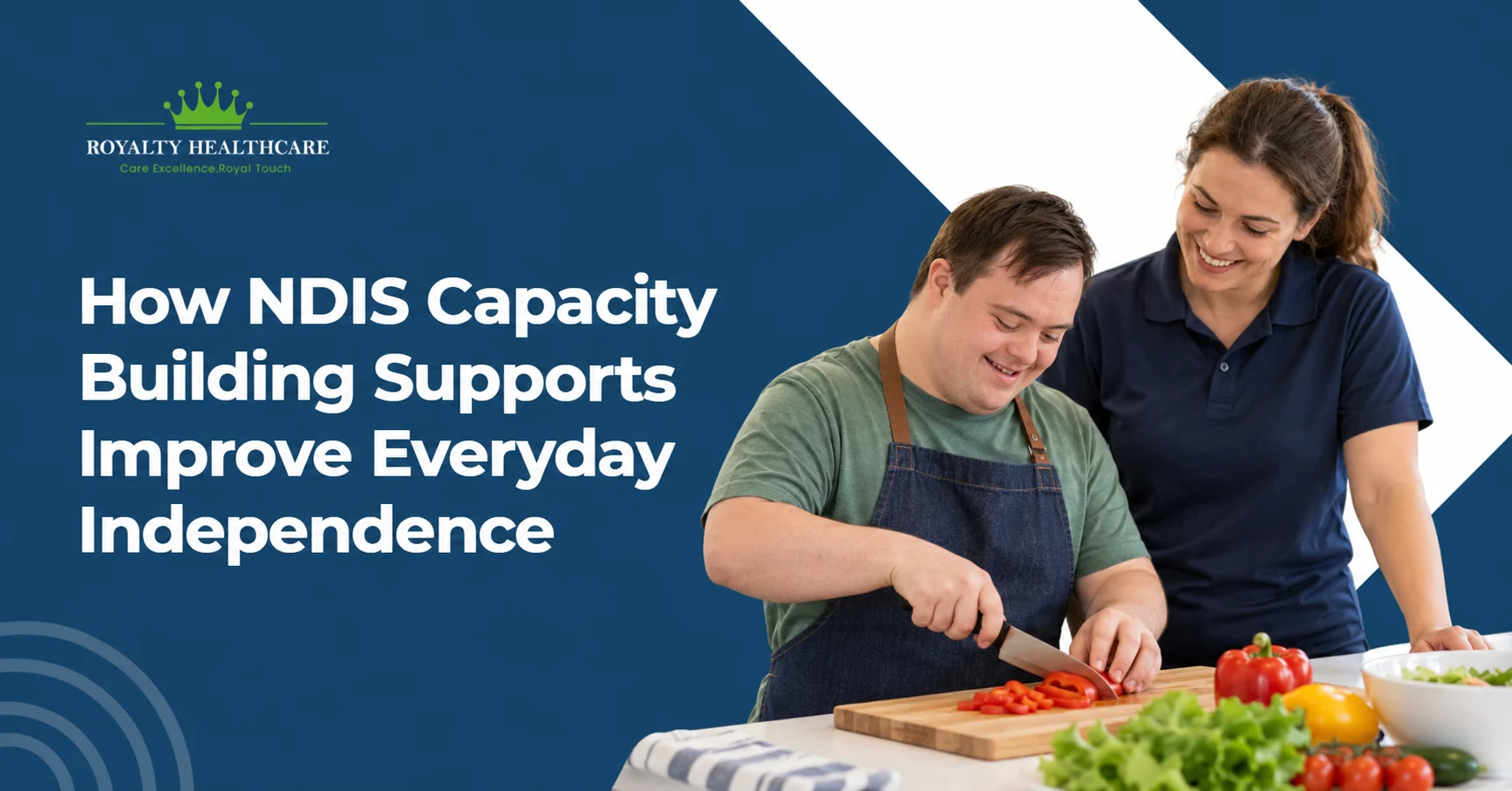
Capacity Building supports are commonly used to build long-term skills, such as: 

developing daily living skills 

improving social skills and confidence 

strengthening routines 

building capacity to manage appointments, communication, and community participation 

coordination supports that help you implement your plan effectively 

3. Why pricing rules matter (and protect you) 

NDIS providers must follow official pricing arrangements, particularly for plan-managed and NDIA-managed participants. The most reliable reference is: NDIS Pricing Arrangements and Price Limits. 
Understanding this helps you avoid confusion, unexpected invoices, or supports being claimed incorrectly. 

How to get NDIS funding for mental health support (practical steps) 
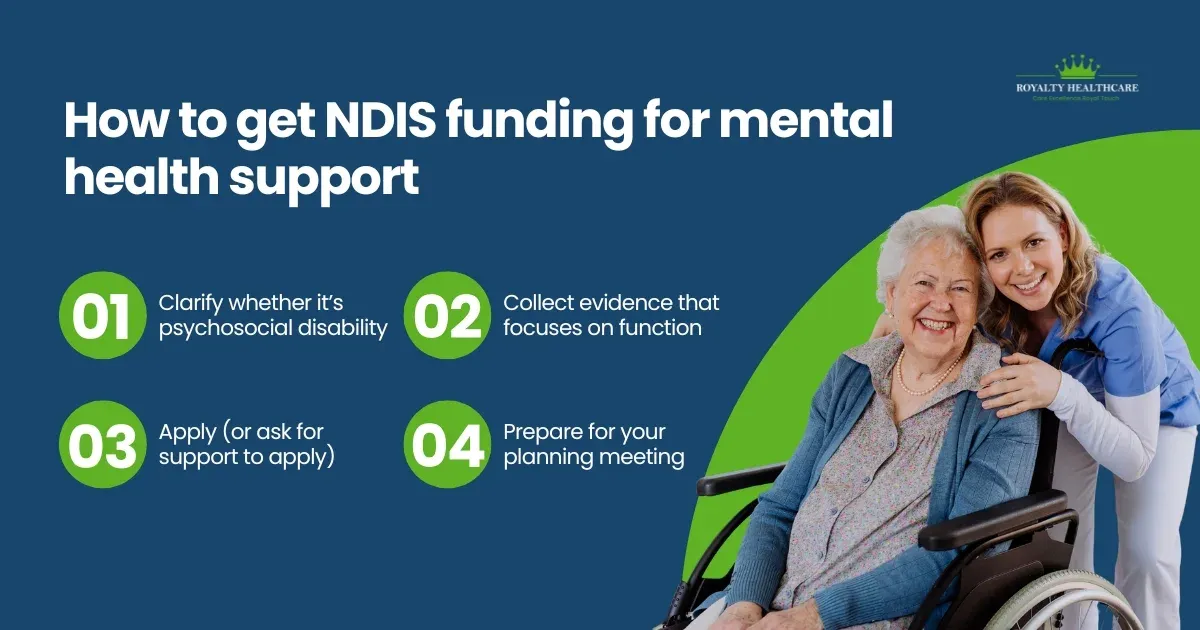
 

If you’re searching how to get NDIS funding for mental health support, this step-by-step approach is a good, realistic pathway. 

Step 1 — Clarify whether it’s psychosocial disability 

Start by comparing your situation with the NDIA’s description of psychosocial disability: NDIS overview of psychosocial disability. 
If your condition has a substantial, ongoing impact on function, you may be in scope for NDIS access. 

Step 2 — Collect evidence that focuses on function 

Gather documentation that shows: 

how long the condition has affected you 

what daily activities are impacted 

what support you need to manage those impacts 

what supports you’ve tried already 

Step 3 — Apply (or ask for support to apply) 

If paperwork is overwhelming, this is where support coordination or advocacy can help. Some people also ask a trusted family member or support person to assist. 

Step 4 — Prepare for your planning meeting 

Planning is where funding becomes real. Go in with: 

a list of “hard day” barriers 

examples of tasks you can’t do consistently without support 

3–6 goals that describe what you want your life to look like 

the supports you believe will help you reach those goals 

About Royalty Healthcare 

Royalty Healthcare provides practical, participant-centred disability services designed to support independence, stability, and confidence in everyday life. Their team supports participants across a range of needs, including mental health-related functional impacts, community participation, life skills development, behaviour support, and nursing supports. To learn more about their approach, explore Royalty Healthcare’s NDIS mental health support services, view NDIS support services we offer. 

Conclusion 

A good NDIS plan doesn’t just “fund supports”—it helps you build stability, routine, and confidence in everyday life. Understanding eligibility, documenting functional impacts properly, and choosing supports that match your real needs can make a major difference to outcomes. 

If you’re exploring support options or want help understanding services that may align with your plan goals, you can start with Royalty Healthcare’s NDIS mental health support services, contact our team to discuss general next steps..
Your NDIS mental health funding may appear across different categories depending on your needs and the types of supports required. 

1. Core Supports (everyday assistance) 

Core funding often helps with day-to-day function and participation. This may include support workers to assist with routines and community engagement, depending on your plan and functional needs. 

2. Capacity Building Supports(skills + independence) 

Capacity Building supports are commonly used to build long-term skills, such as: 

    • developing daily living skills 
    • improving social skills and confidence 
    • strengthening routines 
    • building capacity to manage appointments, communication, and community participation 
    • coordination supports that help you implement your plan effectively 

3. Why pricing rules matter(and protect you) 

NDIS providers must follow official pricing arrangements, particularly for plan-managed and NDIA-managed participants. The most reliable reference is: NDIS Pricing Arrangements and Price Limits. 
Understanding this helps you avoid confusion, unexpected invoices, or supports being claimed incorrectly. 

How to get NDIS funding for mental health support (practical steps) 

How to get NDIS funding for mental health support (practical steps)

If you’re searching how to get NDIS funding for mental health support, this step-by-step approach is a good, realistic pathway. 

Step 1 — Clarify whether it’s psychosocial disability 

Start by comparing your situation with the NDIA’s description of psychosocial disability: NDIS overview of psychosocial disability. 
If your condition has a substantial, ongoing impact on function, you may be in scope for NDIS access. 

Step 2 — Collect evidence that focuses on function 

Gather documentation that shows: 

    • how long the condition has affected you 
    • what daily activities are impacted 
    • what support you need to manage those impacts 
    • what supports you’ve tried already 

Step 3 — Apply (or ask for support to apply) 

If paperwork is overwhelming, this is where support coordination or advocacy can help. Some people also ask a trusted family member or support person to assist. 

Step 4 — Prepare for your planning meeting 

Planning is where funding becomes real. Go in with: 

    • a list of “hard day” barriers 
    • examples of tasks you can’t do consistently without support 
    • 3–6 goals that describe what you want your life to look like 
    • the supports you believe will help you reach those goals 

About Royalty Healthcare 

Royalty Healthcare provides practical, participant-centred disability services designed to support independence, stability, and confidence in everyday life. Their team supports participants across a range of needs, including mental health-related functional impacts, community participation, life skills development, behaviour support, and nursing supports. To learn more about their approach, explore Royalty Healthcare’s NDIS mental health support services, view NDIS support services we offer. 

Conclusion 

A good NDIS plan doesn’t just “fund supports”—it helps you build stability, routine, and confidence in everyday life. Understanding eligibility, documenting functional impacts properly, and choosing supports that match your real needs can make a major difference to outcomes. 

If you’re exploring support options or want help understanding services that may align with your plan goals, you can start with Royalty Healthcare’s NDIS mental health support servicescontact our team to discuss general next steps.. 
Leave a Reply

Your email address will not be published. Required fields are marked *